

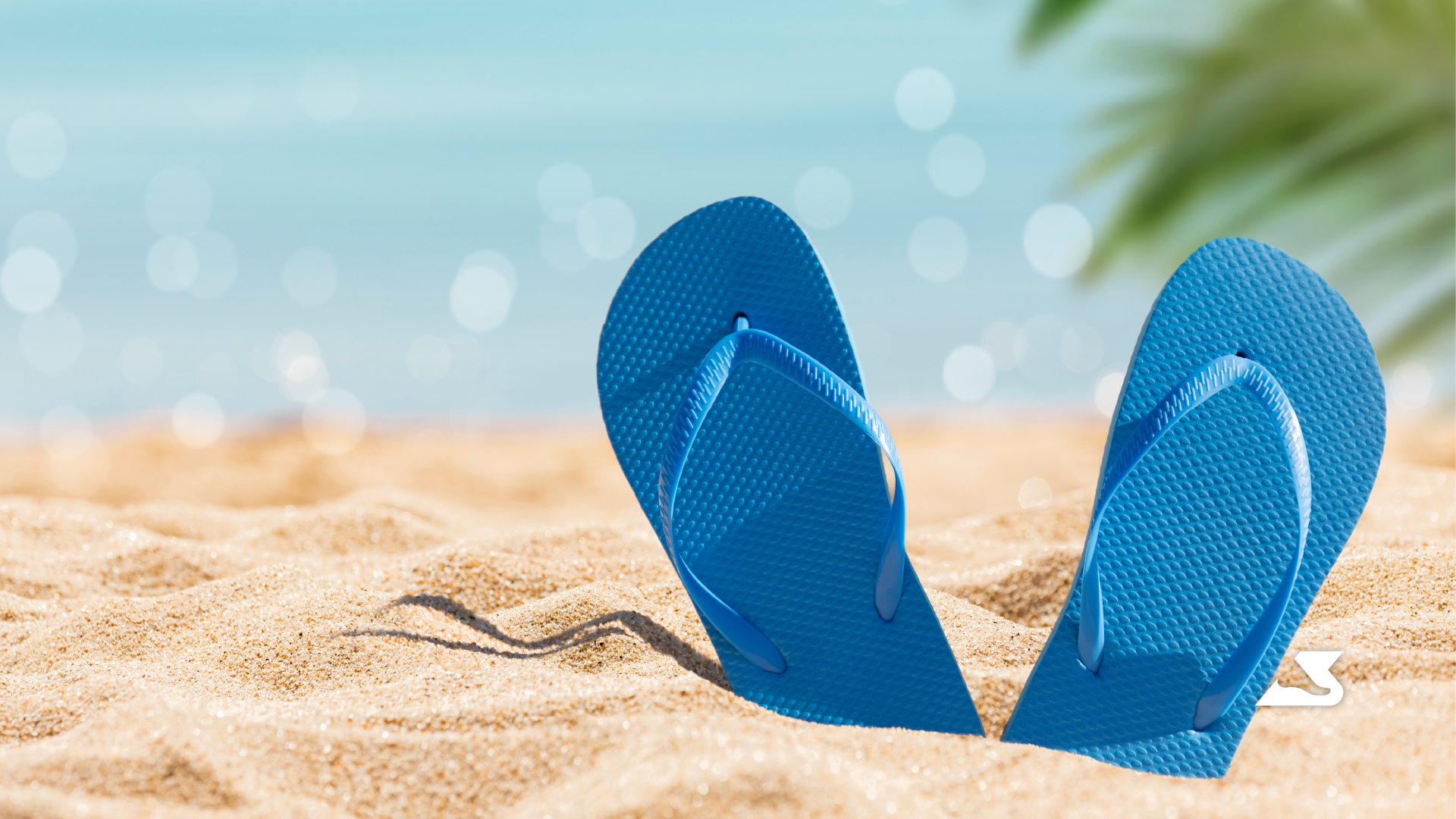
Flip-flops often feel light, airy, and soothing—especially after a long day in closed shoes. Many people enjoy the freedom they offer, but few stop to assess whether the pair they are wearing is actually suitable for their feet. Selecting the wrong type can lead to long-term discomfort and even lasting damage. Understanding how flip-flops affect the body can help you make healthier choices.
How Improper Flip-Flops Affect Your Feet
Heel Pain
A flat, poorly designed flip-flop gives minimal support to the arch and heel. When worn for extended hours, this can strain the ligaments beneath the foot, leading to persistent heel or arch pain. This condition, commonly referred to as plantar fasciitis, may worsen if ignored.
Toe Deformities
If the straps do not hold your foot securely, your toes may overwork to grip the flip-flop with each step. This constant tension can lead to muscle imbalance and, over time, cause hammertoes—where one or more toes bend downward at the joint.
Ankle Strain
A flimsy or unstable flip-flop increases the risk of the ankle turning inward or outward. This instability can result in sprains or ligament injuries, especially when walking quickly or on uneven ground.
Back, Knee, and Hip Discomfort
Improper foot support affects your entire posture. Flip-flops that are too loose or too tight may alter your walking pattern, placing extra stress on the knees, hips, and lower back. Over time, this can contribute to widespread aches and reduced mobility.
How to Choose a Supportive Pair
1. Understand Your Usage
Decide whether you need flip-flops for indoor wear, casual strolling, or longer use. Light activity requires soft, comfortable materials, while heavier use calls for a more durable, supportive design.
2. Examine the Sole
Avoid flimsy foam soles that flatten quickly. Instead, select materials like EVA or quality rubber, which provide better cushioning, flexibility, and structure for the arch and heel.
3. Check the Sole Design
A smooth bottom surface increases the risk of slipping. Look for patterns or grooves underneath the sole to enhance grip and offer better traction on both dry and wet surfaces.
4. Evaluate the Straps
Wide, soft straps offer greater comfort and stability than thin ones. The inner side of the strap should feel gentle on the skin to prevent irritation or cuts, especially during longer wear.
5. Pick an Appropriate Heel Height
Flip-flops don’t always have to be completely flat. Slightly raised heels or wedges can sometimes provide better alignment, as long as they remain comfortable and well-balanced.
Smart Buying Tips
Do’s
- Choose soft, high-quality materials that reduce friction and prevent blisters.
- Ensure straps fit securely without causing discomfort.
- Leave a small margin of sole visible around your foot when standing.
- Make sure the flip-flop bends only at the ball of the foot, not in the center.
- Opt for layered soles with moderate thickness for added support.
Don’ts
- Avoid wearing heavily worn-out pairs; replace them when they lose shape.
- Don’t ignore redness or irritation between the toes.
- Refrain from wearing flip-flops for long-distance walking.
- Never use them for sports or high-impact activities, as they lack proper stability.
Conclusion
Always consult with your doctor or a healthcare professional before making any major changes to your diet, lifestyle, or medical routine. They can offer personalized advice based on your current health condition and medical history.
Note – If you have any health-related concerns, please call us at +91-9058577992 to receive free consultation from our experienced doctors. Thank you.
