

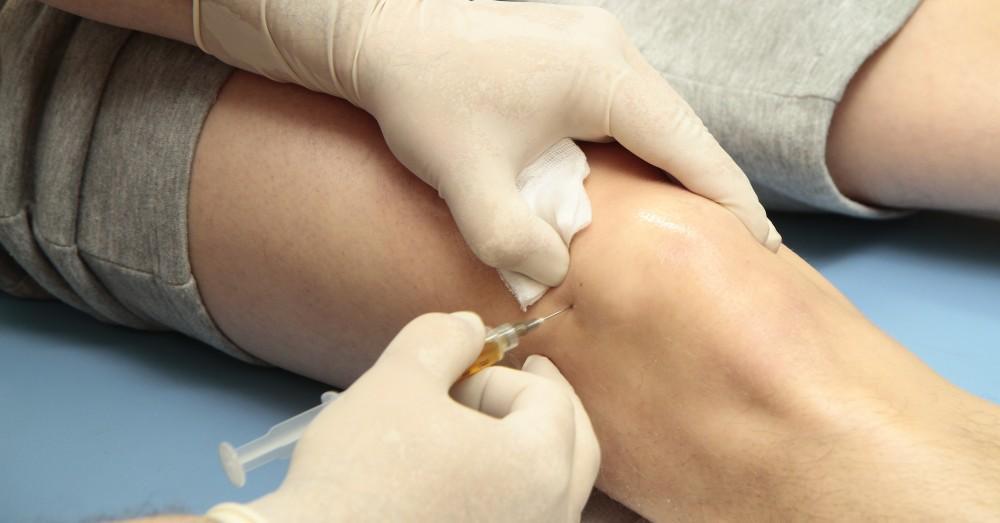
Arthritis is a long-term condition that affects millions of people worldwide and can significantly reduce quality of life. It commonly causes joint pain, stiffness, swelling, and limited movement, making everyday activities difficult. At present, there is no permanent cure for arthritis. Most treatments focus on easing symptoms through pain relief medicines, anti-inflammatory drugs, physical therapy, or, in advanced cases, joint replacement surgery. However, recent scientific findings suggest that a new molecule may offer fresh hope for people living with this condition.
Understanding the Challenge of Arthritis
Arthritis develops when the protective cartilage that cushions joints becomes damaged or wears away over time. Once this cartilage is lost, the body has very little ability to repair it naturally. As a result, bones may rub against each other, leading to pain and stiffness. Because cartilage does not regenerate easily, researchers have long searched for ways to encourage the body to rebuild this tissue rather than simply manage discomfort.
A New Discovery in Cartilage Regeneration
Scientists recently identified a small molecule called kartogenin that shows potential in supporting cartilage repair. During laboratory research, thousands of drug-like substances were examined using advanced screening methods. Each substance was tested on stem cells taken from bone marrow to observe how the cells responded.
Kartogenin stood out because it encouraged stem cells to develop into cartilage-producing cells. This process is significant because stem cells have the ability to transform into different cell types when given the right signals. By guiding them toward becoming cartilage cells, researchers believe it may be possible to repair damaged joints from within.
Results from Early Studies
In animal studies, kartogenin was given to subjects showing symptoms similar to osteoarthritis. The results were encouraging. The treatment appeared to stimulate the formation of new cartilage tissue and improved joint condition. These findings suggest that this molecule could support joint repair rather than only easing pain.
Although a patent has already been submitted for this discovery, experts stress that more studies are needed. Further research will help determine how the molecule works in detail, how safe it is for long-term use, and whether similar benefits can be achieved in humans.
What This Means for the Future
If future trials are successful, this research could lead to treatments that focus on healing damaged joints instead of managing symptoms alone. A therapy based on stem cell activity may reduce the need for invasive surgeries and long-term medication use. While this approach is still under development, it represents an exciting direction in arthritis care and joint health research.
Conclusion
Always consult with your doctor or a healthcare professional before making any major changes to your diet, lifestyle, or medical routine. They can offer personalized advice based on your current health condition and medical history.
Note – If you have any health-related concerns, please call us at +91-9058577992 to receive free consultation from our experienced doctors. Thank you
